Floating Docks Explained: Science, Benefits & How They Work
What Is a Floating Dock?
A floating dock is an air-filled HDPE pontoon platform that rises and falls with water levels. Unlike fixed docks, floating docks require no piles for support and can quickly adapt to tide fluctuations, seasonal flooding, and Ice formation.
Floating docks operate according to Archimedes' principle, in which each HDPE floating dock module displaces water equal to its weight, creating stability. HDPE construction ensures superior buoyancy that supports both the dock structure and additional loads such as boats or pedestrians. Check out our range of modular dock products today - you may just find what you're looking for! Explore our modular dock products→
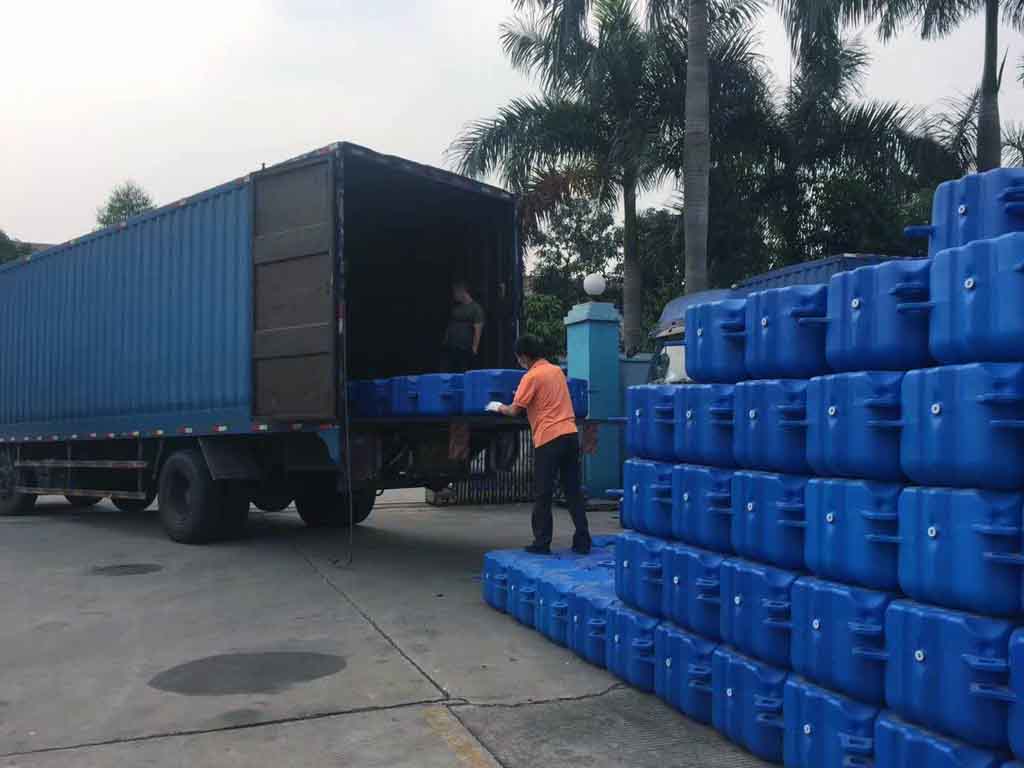
Dock Blocks
UV-stabilized HDPE floating dock modules with anti-algae surfaces, designed for marine environments with 20-year saltwater durability according to ASTM D1435. We also offer modular docks in various sizes and configurations.

Connection Systems
Patent-pending rotational interlock system connects HDPE pontoons with mushroom pins for easy connection. A modular design makes expansion simple while interlocking mechanisms provide secure assembly.
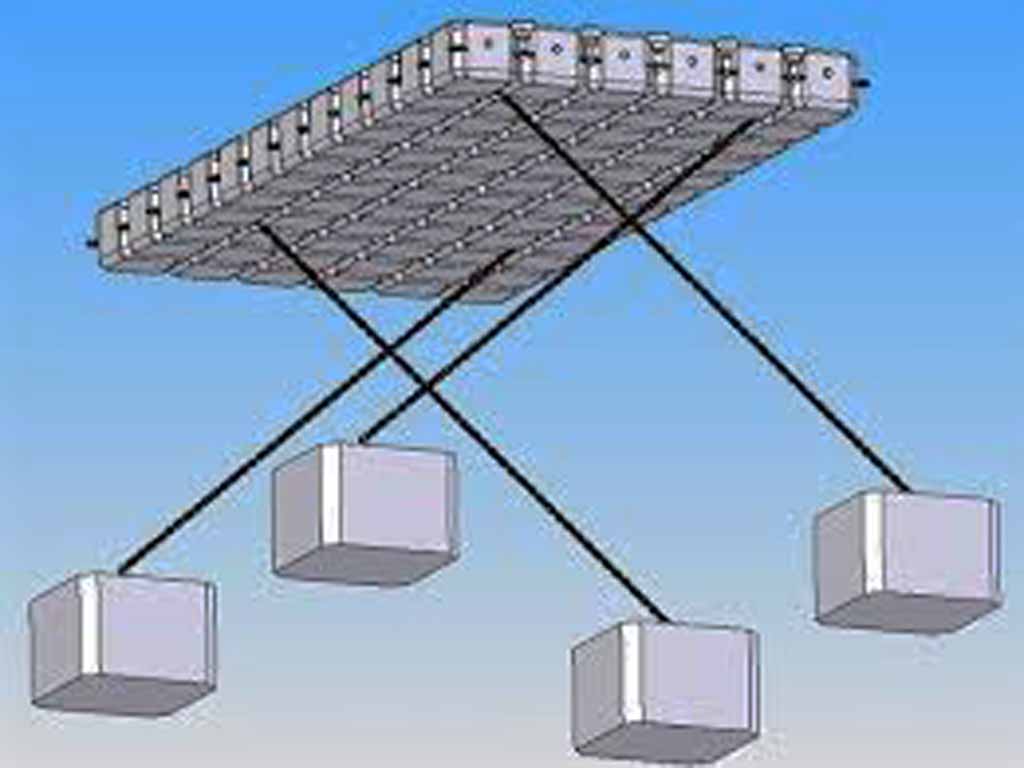
Anchoring Systems
Anchoring Systems for lakes/rivers/tidal zones vary between shore-mounted anchors equipped with chain tensioners to adjust for changes in water level, and weighted anchor systems suitable for deep-sea marine applications.
How Does a Floating Dock Work?
In contrast to stationary or fixed docks, floating docks move with the water level, dispensing water through platforms that are large enough to disperse and maintain their position. Explore Technical Resources & Guides→
Modular Floating Dock Assembly Process
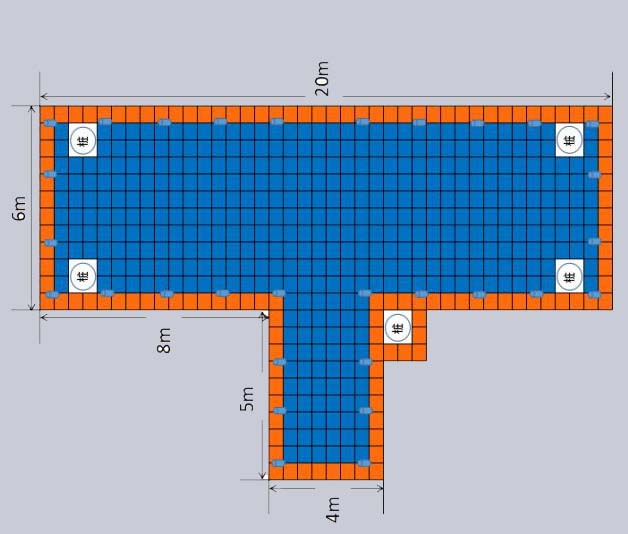
Layout Configuration
To plan the layout based on water depth charts and usage requirements, you should consider various shapes and sizes for an HDPE floating dock.
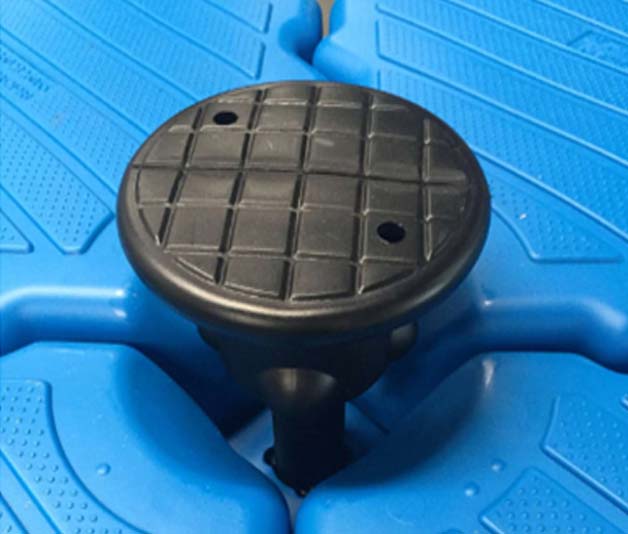
Interlocking Connection
HDPE modules should be secured together using reinforced pins or bolts to achieve a smooth, uninterrupted, and stable surface.
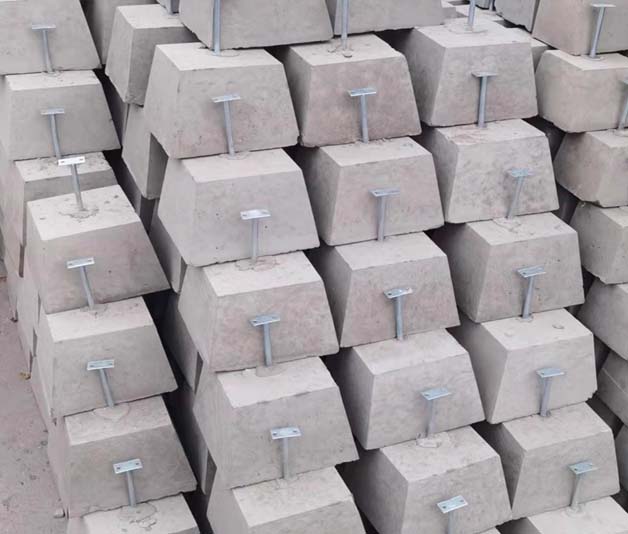
Anchoring Setup
Choose shore-mounted or deep-water anchors depending on the environment in which they will be used.
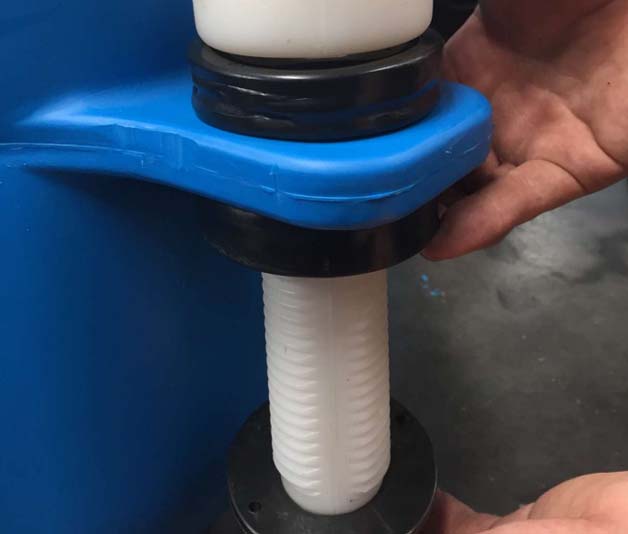
Accessory integration
Our customizable dock accessories, such as solar lighting, ADA gangway, kayak rack, and swim ladders, give you complete customization.
Floating Docks vs Fixed Docks
| Feature | Floating Docks | Fixed Docks |
|---|---|---|
| Cost | Afordable | Expensive |
| Installation | 1-2 days (modular) | 1-2 weeks (construction) |
| Maintenance | Annual inspection | Seasonal repairs needed |
| Lifespan | 20+ years (HDPE material) | 10-15 years (wood) |
| Best For | Changing water levels | Permanent installations |
When to Select Floating Docks
Modular floating docks are the perfect solution for lakes, rivers, and coastal environments where traditional docks pose instability or require too much maintenance. When considering floating docks as an alternative:
- Water levels vary (seasonal tides or reservoir fluctuations exceeding 2 feet)
- Temporary setups (event docks, seasonal marinas, or construction access) may be needed in response to seasonal tides or reservoir fluctuations that exceed two feet.
- Future expansion may occur (modular designs allow quick resizing)
- With minimal upkeep being preferred (HDPE material resists rot, corrosion, and UV damage)